
VEVOR
VEVOR Bouldering Crash Pad
3.7 · ~$90
"Lightweight and affordable pad for getting started outdoors"
A quality crash pad is non-negotiable for outdoor bouldering. It is the difference between walking away from a fall and a trip to the hospital. We have tested the leading crash pads on real rock, evaluating foam density, landing zone coverage, portability, and durability to find the best options for every budget and style.
| Product | Rating | Price | Best for | Buy |
|---|---|---|---|---|
VEVOR Bouldering Crash Pad VEVOR | 3.7 | ~$90 | Lightweight and affordable pad for getting started outdoors | View |
Metolius Session Crash Pad Metolius | 4.5 | ~$230 | Classic mid-size pad from a trusted climbing brand | View |
Mad Rock Crash Pad Mad Rock | 4.2 | ~$180 | Durable pad with quality foam at a competitive price | View |
Asana Focus Crash Pad Asana | 4.7 | ~$320 | Premium bouldering pad with excellent foam and coverage | View |
Asana Hero Crash Pad Asana | 4.6 | ~$380 | Large landing zone for highball bouldering and serious sessions | View |
Escape Climbing Crash Couch Escape Climbing | 4 | ~$250 | Oversized pad for maximum ground coverage | View |
VEVOR Bouldering Crash Pad 5.5x4 ft VEVOR | 3.6 | ~$120 | Oversized bi-fold pad for maximum landing zone coverage | View |
Meister Boulder Beast XL Tri-Fold Meister | 3.8 | ~$140 | XL tri-fold design that lies flat on uneven terrain | View |
DRKSBESTO Tri-Fold Crash Pad DRKSBESTO | 3.5 | ~$80 | Lightweight supplemental pad for gap coverage | View |
Asana VersaPad Supplemental Pad Asana | 4.3 | ~$130 | Thin sit-start pad and crash pad gap filler | View |
Asana Focus Crash Pad (Geode) Asana | 4.7 | ~$330 | Premium dual-density foam pad in a striking Geode colorway | View |
Asana Crash Pad Couch (Frame Only) Asana | 4.1 | ~$160 | USA-made birch wood frame that turns any crash pad into a couch | View |
We Sell Mats BiFolding Gymnastics Crash Mat We Sell Mats | 4 | ~$110 | Versatile bi-fold mat available in 4/8/12 inch thickness for home walls | View |
"Lightweight and affordable pad for getting started outdoors"
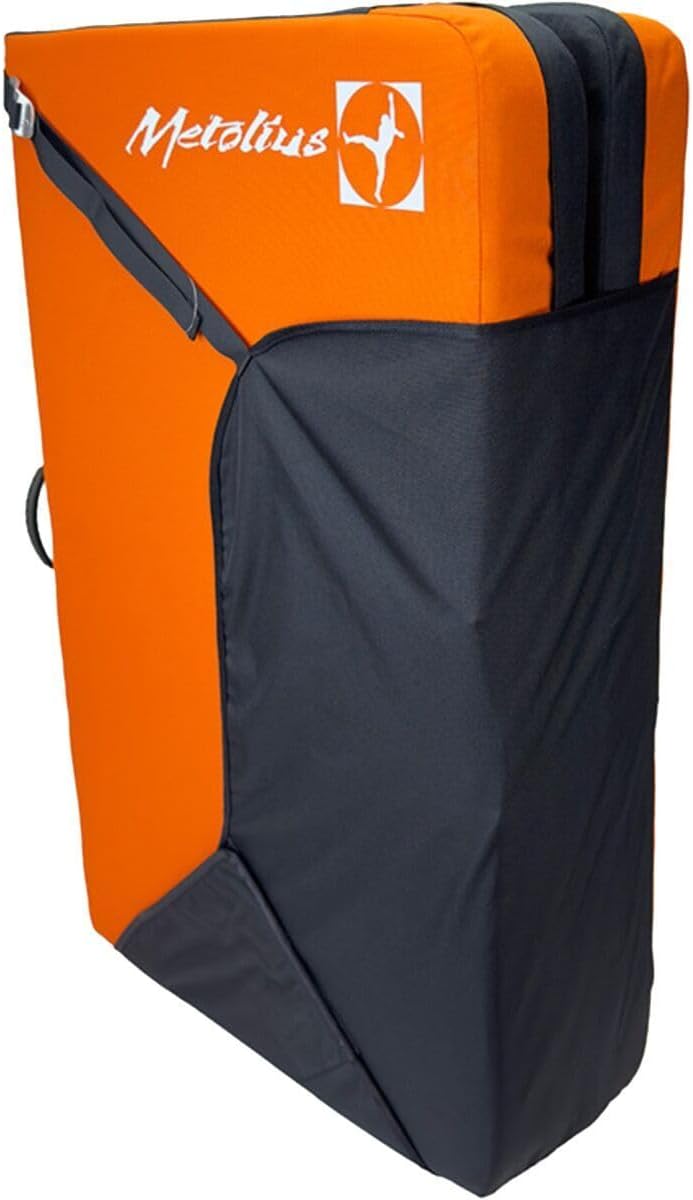
"Classic mid-size pad from a trusted climbing brand"

"Durable pad with quality foam at a competitive price"

"Premium bouldering pad with excellent foam and coverage"
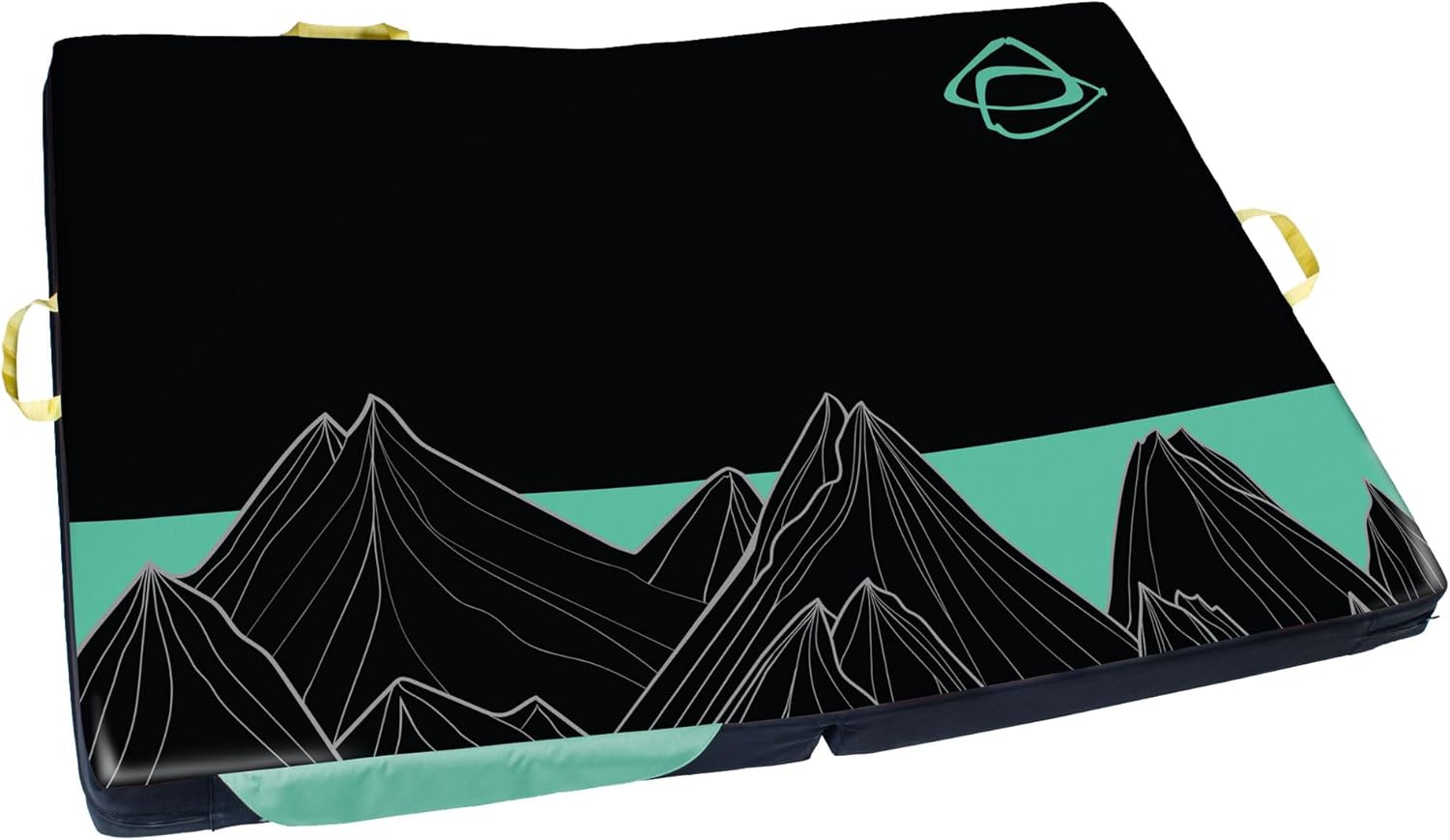
"Large landing zone for highball bouldering and serious sessions"

"Oversized pad for maximum ground coverage"
"Oversized bi-fold pad for maximum landing zone coverage"
"XL tri-fold design that lies flat on uneven terrain"
"Lightweight supplemental pad for gap coverage"
"Thin sit-start pad and crash pad gap filler"
"Premium dual-density foam pad in a striking Geode colorway"
"USA-made birch wood frame that turns any crash pad into a couch"
"Versatile bi-fold mat available in 4/8/12 inch thickness for home walls"
Safety first. Your crash pad is life-safety equipment for outdoor bouldering. Do not skimp on foam quality.
Foam System: The best pads use a dual-density foam system — firm closed-cell foam on top to spread impact, and softer open-cell foam underneath to absorb it. Single-layer pads are lighter but less protective.
Size: Standard pads are roughly 90cm x 120cm. Larger pads provide more coverage but are heavier to carry. Many boulderers bring multiple pads for bigger problems.
Thickness: Most quality pads are 10-15cm thick. Thicker pads offer better protection from higher falls but weigh more.
Portability: Consider how far you will hike. Taco-fold pads are slimmer on the approach. Hinge-fold (trifold) pads lay flatter on uneven ground. Backpack straps should be padded and comfortable.
Closure Fold: Hinge-fold pads can have a gutter at the fold line — look for designs that minimise this gap, or use a second pad to cover it.
A standard-size pad (approximately 90cm x 120cm) is the minimum for outdoor bouldering. For higher problems or uneven landings, you should bring multiple pads or invest in a larger pad. Many boulderers start with one good mid-size pad and add more over time.
2,200+ indoor bouldering gyms across 84 countries. Same honest, ad-light directory.