✦ Editor's Pick

Friction Labs
Friction Labs Unicorn Dust
4.8 · ~$18
"Best premium chalk — finest grain, highest purity"
Good chalk is the cheapest performance upgrade in climbing. Whether you prefer loose chalk for maximum coverage, liquid chalk for a long-lasting base layer, or a tidy chalk ball for gym use, the right chalk keeps your hands dry and your grip confident on every hold.
| Product | Rating | Price | Best for | Buy |
|---|---|---|---|---|
Friction Labs Unicorn Dust Friction Labs | 4.8 | ~$18 | Best premium chalk — finest grain, highest purity | View |
Black Diamond White Gold Loose Chalk Black Diamond | 4.6 | ~$11 | Best widely-available loose chalk | View |
FrictionLabs Secret Stuff Liquid Chalk FrictionLabs | 4.7 | ~$18 | Best premium liquid chalk | View |
Mammut Liquid Chalk Mammut | 4.6 | ~$14 | Best liquid chalk for sweaty hands | View |
Metolius Super Chalk Metolius | 4.5 | ~$9 | Best for chalk-ball use | View |
RUNGNE Magdust Chalk RUNGNE | 4.6 | ~$15 | Best premium European chalk alternative | View |
Beta Climbing Chalk Beta | 4.4 | ~$8 | Best value loose chalk for occasional climbers | View |
SURVIVOR Liquid Chalk SURVIVOR | 4.3 | ~$10 | Cheapest viable liquid chalk | View |
"Best premium chalk — finest grain, highest purity"
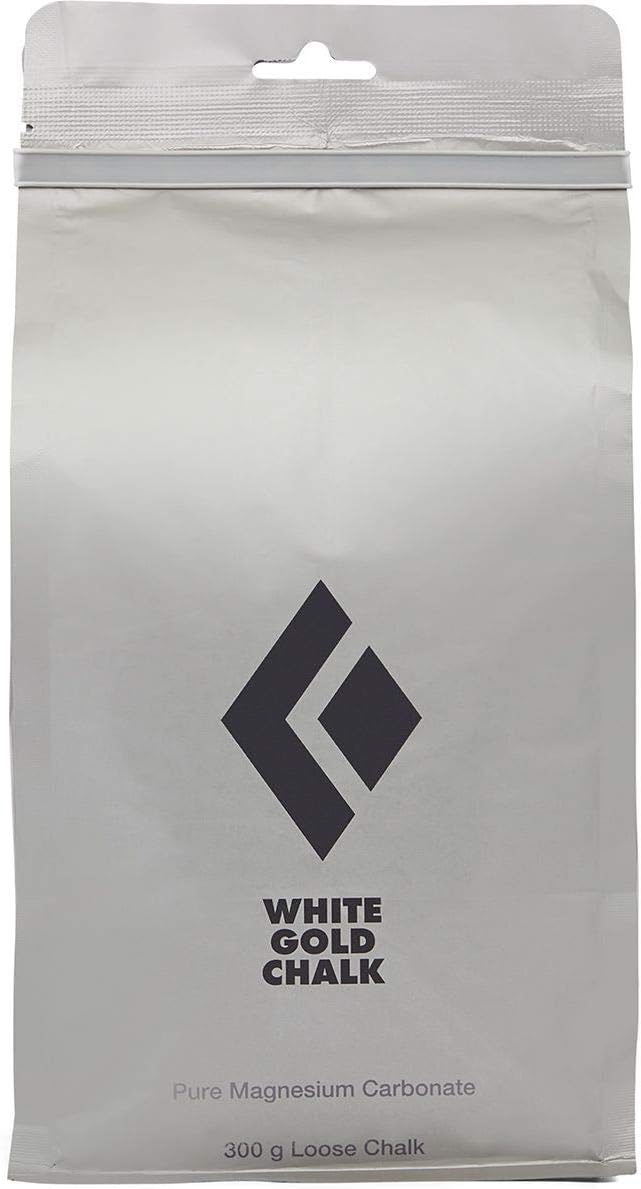
"Best widely-available loose chalk"

"Best premium liquid chalk"


Chalk type matters more than brand. The biggest decision is which form suits your climbing style and gym rules.
Loose Chalk: The classic choice. Best coverage, most economical. Can be messy — some gyms restrict it.
Liquid Chalk: Alcohol-based chalk that dries on your hands as a base layer. Lasts longer, less mess, and many gyms require it. Apply first, then top up with dry chalk.
Chalk Balls: Mesh ball filled with chalk that minimises dust. Many gyms prefer or require these. Slightly less coverage but much tidier.
Block Chalk: Pure magnesium carbonate in block form. Crush it yourself. Economical and stores well.
They work best together. Liquid chalk makes an excellent base layer — apply it, let it dry for 30 seconds, then top up with loose or ball chalk between attempts. Many indoor gyms now require liquid chalk because it produces less dust.
2,200+ indoor bouldering gyms across 84 countries. Same honest, ad-light directory.